In the fast-moving world of media and corporate communications, few names have earned as much attention and respect as Irena Briganti. Known for her strategic thinking, bold communication style, and influential leadership in the media industry, Briganti has become a recognized figure in corporate public relations and executive communications.
As the media landscape continues to evolve through digital transformation, streaming services, and changing audience behaviors, professionals like Irena Briganti play a critical role behind the scenes. While many people focus on television personalities or business CEOs, communications executives are often the architects shaping how organizations interact with the public, manage crises, and protect brand reputation.
This article explores the life, career, leadership approach, and impact of Irena Briganti in the corporate media world. We will also examine why her work continues to influence communication strategies across major industries.
Who Is Irena Briganti?
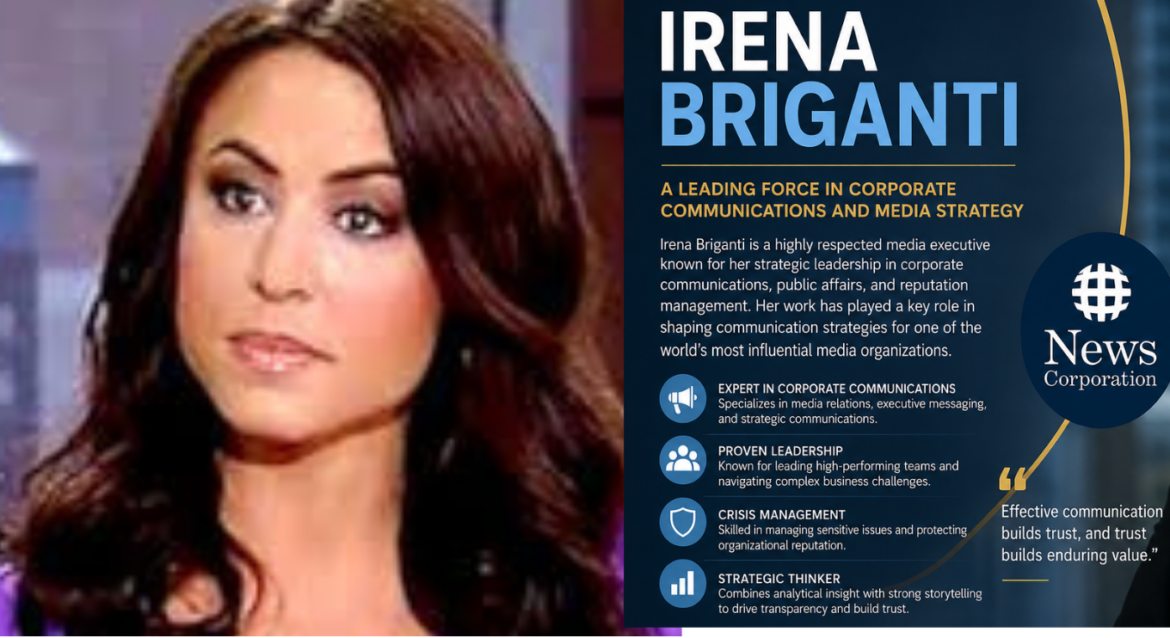
Irena Briganti is widely known as a senior communications executive with extensive experience in media relations, public affairs, and corporate strategy. She gained major recognition through her leadership role at News Corporation and its associated organizations.
Over the years, Briganti has built a reputation as a strong and effective communications professional capable of navigating high-pressure environments. Her expertise includes crisis management, executive messaging, strategic media planning, and organizational branding.
In an age where public perception can change overnight due to social media and digital news cycles, executives like Briganti are essential for maintaining trust, credibility, and corporate stability.
Early Career and Professional Development
Although much of Irena Briganti’s early personal life remains private, her professional journey reflects years of dedication and strategic growth in communications and media management.
She developed her expertise through leadership positions involving public relations, journalism strategy, and executive communications. Her rise within major media organizations demonstrated her ability to handle complex messaging during both opportunities and challenges.
Professionals in communications often work behind the scenes, but their decisions directly influence how companies are viewed by investors, employees, journalists, and the general public. Briganti’s success came from understanding not only media dynamics but also corporate leadership itself.
Her career progression highlights several key qualities:
Strong Strategic Thinking
One of Briganti’s defining strengths is her strategic mindset. Rather than focusing only on short-term publicity, she has consistently worked on long-term reputation management and organizational communication.
Crisis Communication Expertise
Modern corporations regularly face public scrutiny, controversies, and digital backlash. Briganti became recognized for her ability to manage sensitive situations while protecting organizational interests.
Leadership Under Pressure
The media industry is fast-paced and highly competitive. Effective communication leaders must make rapid decisions while balancing legal, ethical, and public relations considerations. Briganti’s leadership style reflects confidence and decisiveness in high-pressure environments.
Leadership Role at News Corporation
A major chapter in Irena Briganti’s career has been her leadership role at News Corporation, one of the most influential media organizations in the world.
News Corporation owns and operates numerous publishing, broadcasting, and digital media businesses. Working within such a globally recognized organization requires advanced communication expertise and a deep understanding of public perception.
As a communications executive, Briganti has been responsible for:
- Managing corporate messaging
- Overseeing media relations
- Supporting executive communications
- Handling public affairs strategy
- Coordinating crisis responses
- Protecting corporate reputation
These responsibilities place communications leaders at the center of major organizational decisions.
The Importance of Corporate Communications
Corporate communication is often misunderstood as simple publicity or press releases. In reality, it is a strategic discipline that affects investor confidence, employee morale, public trust, and even business growth.
Executives like Briganti help organizations communicate effectively during:
- Corporate acquisitions
- Leadership transitions
- Legal controversies
- Public criticism
- Industry disruptions
- Financial announcements
In many cases, strong communication can significantly reduce reputational damage during difficult periods.
Irena Briganti’s Influence on Media Strategy
The media industry has transformed dramatically over the past two decades. Traditional newspapers and television networks now compete with digital platforms, streaming services, influencers, and social media creators.
Throughout these changes, Briganti has remained an influential figure in communications strategy.
Adapting to Digital Media
Digital communication requires faster response times and more transparent engagement with audiences. Companies can no longer rely solely on traditional press conferences or newspaper statements.
Briganti’s work reflects the evolution of modern communications through:
Real-Time Messaging
Organizations must now respond quickly to breaking news and public reactions.
Reputation Monitoring
Digital platforms create constant public feedback. Communications teams must monitor conversations and address misinformation rapidly.
Executive Branding
Corporate leaders themselves often become public brands. Strategic communication helps shape executive credibility and public trust.
Leadership Style and Professional Reputation
Many colleagues and industry observers describe Irena Briganti as highly disciplined, detail-oriented, and strategically focused. Successful communications executives often combine analytical thinking with strong interpersonal skills.
Her professional reputation reflects several important leadership qualities:
Confidence
Communications leadership requires the confidence to make difficult decisions during uncertain situations.
Precision
Every public statement can affect a company’s reputation. Briganti’s work demonstrates careful attention to wording, timing, and messaging strategy.
Resilience
The media industry is known for intense public scrutiny. Effective leaders must remain calm and focused despite criticism or pressure.
Women in Corporate Media Leadership
Irena Briganti’s success also highlights the growing influence of women in executive leadership roles across media and communications industries.
Historically, senior corporate leadership positions were often dominated by men. However, talented women executives have increasingly shaped the future of journalism, broadcasting, public relations, and digital communications.
Breaking Industry Barriers
Women leaders in communications continue to influence:
- Corporate governance
- Media ethics
- Crisis management
- Diversity initiatives
- Public engagement strategies
Briganti’s career reflects how expertise and strategic leadership can create long-term influence regardless of industry challenges.
Challenges Facing Modern Communications Executives
The communications industry has become significantly more complicated in recent years. Leaders like Briganti must navigate multiple challenges simultaneously.
Social Media Pressure
News spreads instantly online, increasing the risk of misinformation and reputational crises.
Political Polarization
Media organizations often operate in politically sensitive environments, making communication strategies more difficult.
Public Trust Issues
Many corporations and media companies face growing public skepticism. Communications teams must work harder to maintain transparency and credibility.
Global Audience Expectations
International organizations must communicate effectively across cultures, regions, and political systems.
Briganti’s career demonstrates how experienced executives manage these complex realities.
The Future of Corporate Communications
The future of communications will likely involve even greater reliance on technology, analytics, and digital engagement.
Key trends include:
Artificial Intelligence in Communications
AI tools are increasingly used for audience analysis, content generation, and media monitoring.
Personalized Messaging
Organizations now tailor communications for different audience segments rather than relying on generic public statements.
Greater Transparency
Modern audiences expect honesty, accountability, and faster responses from organizations.
Stronger Executive Visibility
Corporate leaders are becoming more publicly visible through interviews, podcasts, and social media platforms.
Executives like Irena Briganti remain important because they understand how to balance innovation with responsible communication practices.
Lessons from Irena Briganti’s Career
Professionals interested in media, public relations, or corporate leadership can learn several valuable lessons from Briganti’s career path.
Communication Is Strategic
Successful communication is not just about speaking clearly. It involves timing, planning, research, and audience understanding.
Reputation Matters
A company’s reputation can influence customer trust, investor confidence, and employee loyalty.
Leadership Requires Adaptability
The media industry changes rapidly. Leaders must continuously adapt to new technologies and public expectations.
Professional Discipline Is Essential
High-level executive communications demand preparation, precision, and strong decision-making abilities.
Why Irena Briganti Continues to Matter
Irena Briganti continues to be an important figure in the corporate communications world because her work reflects the increasing importance of strategic messaging in modern business.
In today’s environment, organizations are judged not only by their products or services but also by how they communicate with the public. Every statement, interview, or digital response can influence brand perception.
Briganti’s career illustrates how communications professionals shape public narratives, protect organizational reputation, and guide companies through both opportunities and crises.
Conclusion
The story of Irena Briganti is a powerful example of leadership within the evolving media and communications industry. Through strategic thinking, crisis management expertise, and strong executive leadership, she has built a respected reputation in one of the world’s most competitive professional environments.
As digital media continues to reshape public communication, experienced leaders like Briganti remain essential for organizations seeking to maintain credibility, trust, and influence.
Her career also demonstrates the growing impact of communications executives in shaping modern business strategy. While many corporate leaders operate in the spotlight, professionals like Irena Briganti often work behind the scenes to ensure organizations communicate effectively in an increasingly connected world.
For aspiring professionals in media, public relations, and executive leadership, her journey offers valuable insights into resilience, strategic communication, and professional excellence.