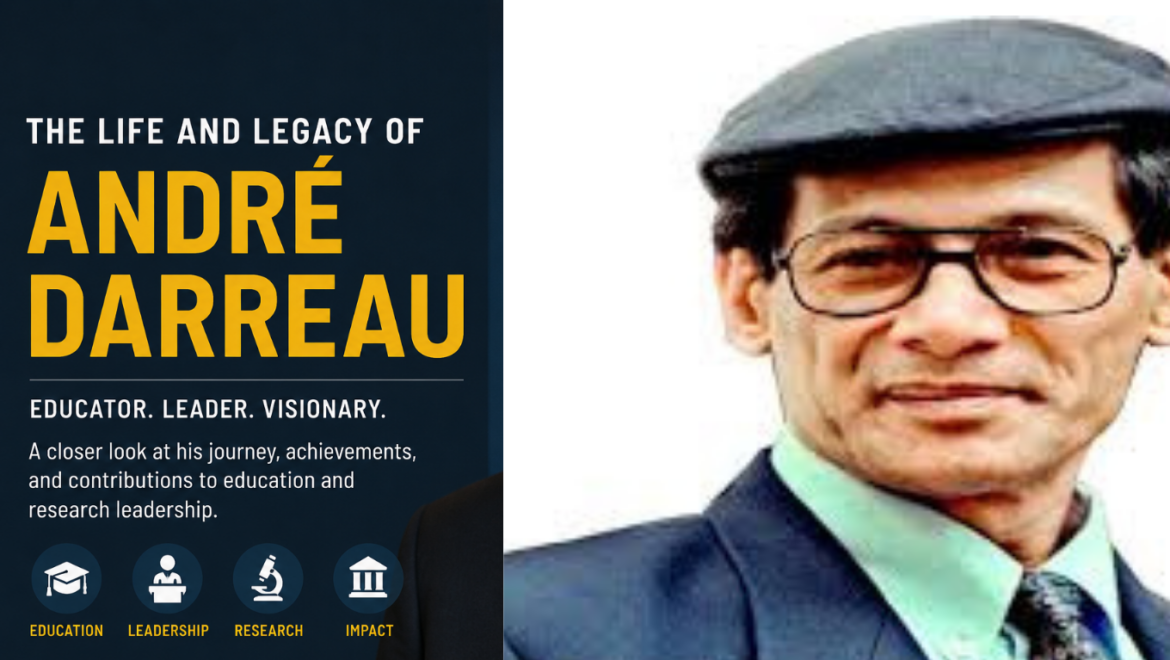
The name André Darreau has generated curiosity among many people searching online, often due to variations in spelling or references connected to academic and public leadership circles. While publicly available information about an individual specifically named “André Darreau” remains limited, available records strongly suggest that many searches may actually relate to André Darveau, a respected academic and institutional leader associated with major educational and research initiatives in Canada.
In modern academic environments, leaders often play roles extending far beyond classrooms. They become administrators, researchers, strategists, and innovators responsible for shaping institutions that impact thousands of students and researchers. André Darveau represents one of these influential figures.
This article explores his educational background, academic development, leadership journey, contributions, and broader impact on university administration and scientific advancement.
Early Life and Educational Foundations
Every successful academic leader begins with a strong educational foundation. André Darveau pursued studies rooted in science and research, building expertise through multiple stages of higher education.
He earned a bachelor’s degree in microbiology from Université Laval before continuing his studies in virology and biochemistry. His academic path eventually included advanced doctoral and postdoctoral work.
Education at this level requires more than classroom learning. It involves:
- Scientific experimentation
- Research analysis
- Problem-solving abilities
- Collaboration with academic communities
- Long-term dedication
These experiences often shape future leaders by developing analytical thinking and strategic decision-making skills.
Why Scientific Education Matters in Leadership
Many university executives come from business or administration backgrounds. Scientific training, however, offers a different perspective.
Researchers learn to:
- Examine evidence before conclusions
- Adapt to changing information
- Solve complex problems
- Manage uncertainty
- Think critically
These skills can become valuable when leading large institutions.
Academic Career Development
André Darveau joined Université Laval in the mid-1990s as an assistant professor. Over time, he progressed through numerous academic and leadership positions.
Career advancement within universities generally follows years of teaching, research contributions, committee work, and institutional involvement.
His progression included responsibilities such as:
Department Leadership
Serving as a departmental director often means overseeing:
- Academic programs
- Faculty development
- Research planning
- Student initiatives
- Budget management
Department leadership serves as a bridge between educational goals and institutional priorities.
Research Administration
Research administration involves ensuring that scientific projects receive support, funding, and infrastructure.
Universities increasingly rely on interdisciplinary research collaborations. Effective administrators help create environments where scholars can innovate and cooperate.
Rise Into Executive Leadership
Leadership roles within universities are complex and highly demanding. Universities operate similarly to large organizations with thousands of students, faculty members, research programs, buildings, and services.
Over time, André Darveau assumed senior executive responsibilities at Université Laval. His work involved cooperation with multiple institutional divisions.
These areas included:
- Financial operations
- Technology systems
- infrastructure management
- campus safety
- residential services
- strategic planning
Managing these systems requires balancing immediate needs with long-term institutional goals.
Responsibilities of a University Executive
Many people assume academic leadership mainly involves attending meetings or approving budgets.
The reality is much broader.
Senior academic executives often oversee:
Strategic Direction
Universities need long-term visions.
Leadership decisions affect:
- future enrollment growth
- technological investments
- research priorities
- campus expansion
- educational quality
A single decision can influence students and faculty for years.
Human Resource Leadership
Educational institutions depend heavily on people.
Leadership responsibilities may involve:
- recruitment strategies
- employee support
- organizational culture
- professional development
- workplace policies
Strong institutions often grow from strong communities.
Financial Planning
Large universities manage extensive budgets.
Executives help oversee:
- research funding
- operational costs
- infrastructure spending
- institutional sustainability
Financial planning ensures universities can continue serving future generations.
Contributions to Institutional Projects
One notable aspect of André Darveau’s leadership history is his participation in large-scale institutional initiatives and collaborations. Public information indicates involvement in major projects connected with research and university development.
Large institutional projects may involve:
- international research networks
- healthcare partnerships
- interdisciplinary science initiatives
- infrastructure development
Modern universities increasingly depend on partnerships across disciplines and organizations.
The Importance of Collaborative Research
Research today rarely happens in isolation.
Many major discoveries emerge from:
- scientists
- engineers
- health specialists
- computer researchers
- policymakers
Academic leaders often help create the structures enabling these partnerships.
Leadership Style in Academic Institutions
Academic leadership differs significantly from leadership in corporations.
Universities consist of independent thinkers.
Faculty members often value:
- intellectual freedom
- debate
- evidence-based decisions
- shared governance
As a result, educational leaders frequently rely on collaboration rather than strict hierarchy.
Successful academic leaders generally demonstrate:
Listening Skills
Universities contain many stakeholders:
- students
- professors
- researchers
- staff
- external partners
Understanding multiple perspectives becomes essential.
Adaptability
Higher education changes rapidly.
Institutions face challenges including:
- technological disruption
- changing student expectations
- research funding pressures
- global competition
Adaptability becomes one of the most valuable leadership qualities.
Recognition and Professional Achievements
Academic careers often include recognition for teaching, research, and institutional contributions.
Public records indicate André Darveau received teaching-related distinctions over multiple years, reflecting appreciation from academic communities.
Recognition in higher education frequently reflects:
- teaching excellence
- mentorship
- leadership contributions
- institutional service
- research achievements
Awards do more than celebrate individuals; they also demonstrate commitment to educational excellence.
Influence Beyond Administration
The influence of educational leaders often extends beyond their formal positions.
Universities interact with:
- governments
- industries
- healthcare systems
- community organizations
- international institutions
Academic executives may serve on advisory boards and committees, helping shape broader discussions and policy directions.
These connections strengthen cooperation between universities and society.
Why People Search for André Darreau
Online searches for André Darreau may occur for several reasons:
Name Variations
Search engines frequently encounter:
- alternate spellings
- translation differences
- surname variations
- typographical errors
As a result, related figures may appear in search results.
Professional Curiosity
Students, researchers, and professionals often search for academic leaders to understand:
- institutional backgrounds
- leadership philosophies
- educational achievements
- research interests
Interest in Higher Education
University leadership attracts increasing attention because educational institutions influence economic and scientific development.
People want to know who guides these organizations.
The Future of Academic Leadership
Leadership within universities continues evolving.
Future academic executives may need expertise in:
- artificial intelligence integration
- digital education
- global research cooperation
- sustainability initiatives
- data-driven administration
Modern universities increasingly operate in a rapidly changing environment.
Leaders with research backgrounds and interdisciplinary experience may be particularly valuable in this new landscape.
1. Who is André Darreau?
André Darreau is a name that has attracted online interest, though publicly available information is limited. Many searches appear connected to André Darveau, an academic leader and administrator associated with higher education and research initiatives at Université Laval.
2. Why do people search for André Darreau online?
People search for André Darreau for several reasons, including curiosity about educational leadership, professional achievements, academic contributions, and possible variations in name spelling across different sources.
3. What is André Darveau known for?
André Darveau is recognized for his contributions to higher education leadership, scientific research, university administration, and involvement in institutional development projects.
4. What educational background does André Darveau have?
He pursued studies in microbiology, virology, and biochemistry and later advanced into research and academic leadership roles. His scientific education helped build a foundation for his administrative career.
5. Why are academic leaders like André Darveau important?
Academic leaders help guide universities by managing research initiatives, educational programs, infrastructure development, and long-term strategic goals. Their decisions influence students, faculty, and future institutional growth.
Conclusion
André Darreau, commonly associated with information related to André Darveau, represents the image of a modern academic leader: someone whose journey combines scientific education, teaching, administration, and institutional development.
His career illustrates how educational leadership extends far beyond classrooms and laboratories. Universities today require leaders capable of managing complexity, encouraging innovation, and building environments where students and researchers can succeed.
Academic institutions shape future generations, and individuals serving in leadership positions often leave lasting impacts that continue long after specific projects or titles change.