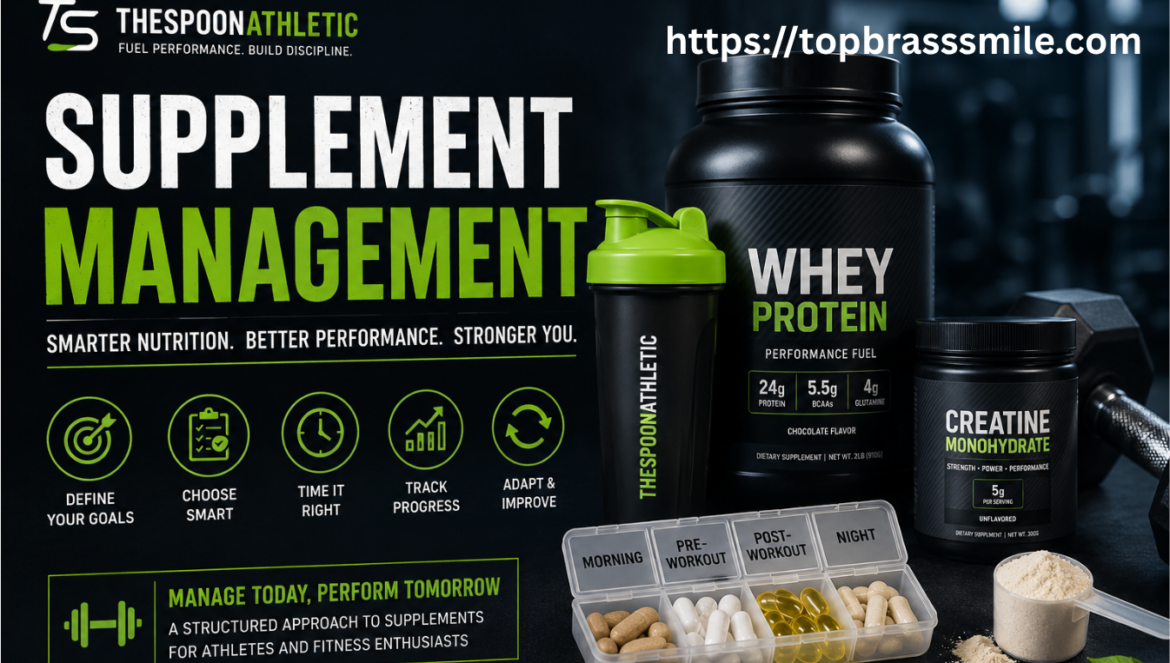
In modern fitness and sports performance, nutrition is just as important as training itself. Among all aspects of nutrition, supplement management has become a key factor for athletes, bodybuilders, and fitness enthusiasts who want to maximize performance, recovery, and long-term health. However, without proper planning, supplementation can quickly become confusing, expensive, and even ineffective.
This is where structured systems like TheSpoonAthletic supplement management approach come into play. Instead of randomly choosing products or following trends, a systematic method focuses on timing, dosage, goals, and individual body needs.
In this comprehensive guide, we will explore what supplement management means, why it matters, and how TheSpoonAthletic-style planning can help athletes build smarter routines for better results.
What Is Supplement Management?
Supplement management refers to the strategic planning, tracking, and optimization of dietary supplements to support fitness and health goals. It is not simply about taking vitamins or protein shakes—it is about using the right supplements at the right time in the right amount.
A proper supplement management system includes:
- Identifying fitness goals (muscle gain, fat loss, endurance, recovery)
- Selecting evidence-based supplements
- Timing intake for maximum effectiveness
- Avoiding unnecessary or duplicate products
- Monitoring progress and adjusting accordingly
Without management, many athletes end up taking too many supplements without understanding their actual benefits.
Why Supplement Management Matters for Athletes
Athletes place higher physical demands on their bodies than the average person. This means their nutritional requirements are also higher and more complex.
1. Improves Performance Efficiency
When supplements are properly managed, they directly support energy production, strength output, and endurance. For example, taking creatine at consistent times can improve muscle power over time, while protein intake supports muscle repair.
2. Reduces Financial Waste
Many fitness enthusiasts buy unnecessary supplements due to marketing influence. Proper management eliminates duplicates and ensures every supplement has a purpose.
3. Prevents Over-Supplementation
Too much of certain vitamins or compounds can cause side effects or reduce absorption efficiency. A structured system ensures safe intake levels.
4. Enhances Recovery
Post-workout recovery depends heavily on nutrition timing. Managed supplementation helps reduce muscle soreness and speeds up repair.
TheSpoonAthletic Approach to Supplement Management
The TheSpoonAthletic approach focuses on structured, goal-oriented supplement planning. Instead of random usage, it treats supplementation like a performance system.
At its core, this method emphasizes:
- Simplicity over complexity
- Goal-based selection
- Timing precision
- Long-term consistency
- Performance tracking
Rather than overwhelming athletes with dozens of products, TheSpoonAthletic-style management encourages using only what is necessary and effective.
Key Principles of TheSpoonAthletic Supplement System
1. Goal-Oriented Supplement Selection
Every supplement should serve a specific purpose:
- Muscle building → protein, creatine
- Energy → caffeine-based supplements, B-vitamins
- Recovery → amino acids, electrolytes
- Health support → multivitamins, omega-3
If a supplement does not align with a goal, it is removed from the plan.
2. Timing Optimization
Timing plays a crucial role in absorption and effectiveness:
- Pre-workout: energy and focus support
- During workout: hydration and endurance
- Post-workout: recovery and muscle repair
- Daily intake: vitamins and long-term health support
3. Minimal Effective Stack
Instead of taking 10–15 supplements, TheSpoonAthletic system promotes a minimal stack of 3–6 essential supplements depending on the athlete’s goal.
4. Cycle and Adjustment Strategy
The body adapts over time, so supplement plans should be adjusted periodically:
- Cycle certain stimulants
- Increase or decrease dosages based on progress
- Replace ineffective products
How to Build a Supplement Plan Using TheSpoonAthletic Method
Creating a structured supplement plan does not need to be complicated. Below is a step-by-step approach inspired by TheSpoonAthletic system.
Step 1 – Define Your Fitness Goal
Start by identifying your main objective:
- Muscle gain
- Fat loss
- Endurance improvement
- General fitness and health
Your goal determines everything else in your supplement stack.
Step 2 – Evaluate Your Diet First
Supplements are meant to “supplement” food, not replace it. Analyze your daily nutrition:
- Are you getting enough protein?
- Do you consume enough calories?
- Are vitamins and minerals balanced?
Only fill nutritional gaps with supplements.
Step 3 – Choose Core Supplements
Based on most athletic needs, a core stack may include:
- Protein powder (for muscle repair)
- Creatine monohydrate (for strength and performance)
- Multivitamin (for general health support)
- Omega-3 fatty acids (for recovery and inflammation control)
Optional additions depend on individual goals.
Step 4 – Plan Timing and Dosage
A structured schedule improves results:
- Morning: multivitamin + omega-3
- Pre-workout: performance boosters (if needed)
- Post-workout: protein + creatine
- Evening: recovery-focused nutrients
Consistency matters more than complexity.
Step 5 – Track Progress
Keep track of:
- Strength improvements
- Energy levels
- Recovery speed
- Body composition changes
Adjust your supplement plan every 4–8 weeks based on results.
Common Mistakes in Supplement Management
Even experienced athletes make mistakes when managing supplements. Here are the most common ones:
1. Overloading on Supplements
More is not always better. Taking too many products can reduce effectiveness and strain the body.
2. Ignoring Diet Quality
Supplements cannot fix a poor diet. Real food should always be the foundation.
3. Inconsistent Usage
Skipping doses or using supplements irregularly reduces benefits significantly.
4. Following Trends Blindly
Many athletes follow social media trends without understanding their actual needs.
5. Lack of Tracking
Without monitoring progress, it is impossible to know what is working.
Benefits of a Structured Supplement Management System
Using a system like TheSpoonAthletic approach provides multiple advantages:
Better Performance Outcomes
Optimized supplement timing and selection directly improve training performance.
Faster Recovery
Proper nutrient support reduces fatigue and improves muscle repair.
Cost Efficiency
You only invest in supplements that actually support your goals.
Improved Health Balance
A structured system avoids nutrient overload and promotes long-term wellness.
Mental Clarity
Simplifying your supplement routine reduces confusion and decision fatigue.
Who Should Use TheSpoonAthletic Supplement Management System?
This approach is suitable for:
- Gym athletes and bodybuilders
- Endurance athletes (runners, cyclists, swimmers)
- Beginners in fitness who feel overwhelmed
- Coaches designing nutrition plans for clients
- Anyone looking to optimize health and performance
Even casual fitness enthusiasts can benefit from a simplified, structured approach.
FAQs About Supplement Management
What is supplement management in fitness?
It is the structured planning and optimization of supplements based on fitness goals, diet, and performance needs.
Do I need many supplements to see results?
No. Most athletes achieve results with just a few core supplements combined with proper diet and training.
Can beginners use TheSpoonAthletic system?
Yes. In fact, beginners benefit the most because it removes confusion and simplifies choices.
How often should I change my supplement plan?
Every 4–8 weeks or whenever your fitness goals or progress changes.
Are supplements more important than diet?
No. Diet is the foundation. Supplements only fill nutritional gaps.
Conclusion
Supplement management is not about consuming as many products as possible—it is about making smart, intentional choices that align with your fitness goals. The TheSpoonAthletic approach simplifies this process by focusing on structure, timing, and efficiency.
When athletes shift from random supplementation to a strategic system, they often experience better performance, faster recovery, and more consistent results without unnecessary spending or confusion.
Ultimately, success in fitness is not just about hard training—it is about smart support. And structured supplement management is one of the most powerful tools to achieve that balance.